
Free
What you'll learn
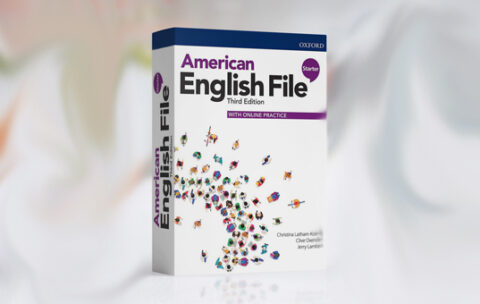
You will learn essential English language and communication skills, focusing on Grammar, Vocabulary, Pronunciation, and functional skills work. The curriculum covers 12 units, including:
Grammar: The singular and plural forms of the verb be, the Simple Present tense (all forms for habits and routines), adverbs of frequency, Simple Past tense (be, regular, and common irregular verbs like get, go, have, do), Present Continuous tense (for actions happening now), possessive adjectives and possessive 's, singular and plural nouns, imperatives, and object pronouns (me, him, etc.).
Vocabulary: Numbers (0–100), days of the week, countries and nationalities, food and drink, jobs and places of work, colors, activities, clothes, and hotel vocabulary. Functional/Practical English: Learning the alphabet, telling the time, saying the date, understanding prices, and asking for and giving directions.

Free
AI Tools for Everyday Life
Discover how Artificial Intelligence (AI) can make your daily life …
What you'll learn
By the end of this course, you will be able to:
Understand what Artificial Intelligence (AI) is and how it works in simple terms.
Identify common AI tools you can use for studying, working, and creating.
Use AI tools like ChatGPT effectively by writing clear and helpful prompts.
Apply AI responsibly by avoiding plagiarism and verifying information.
Develop a personal code of ethics for using AI wisely in your daily life.
Free
Understanding Yourself: An Introduction to Psychology
This course introduces you to the science of psychology — …
What you'll learn
By the end of this course, you will be able to:
Understand what psychology is and why it matters.
Identify major branches and approaches of psychology.
Recognize how thoughts, emotions, and behavior are connected.
Apply psychological insights to improve communication and relationships.
Develop self-awareness and empathy in daily interactions.

Free
Emotional Intelligence
Course Overview This course provides a deep, practical understanding of …
What you'll learn
The five core components of Emotional Intelligence
How emotions influence behavior and relationships
Strategies for improving self-awareness and self-regulation
Techniques to enhance empathy and social skills
How to apply EI in leadership, communication, and conflict resolution